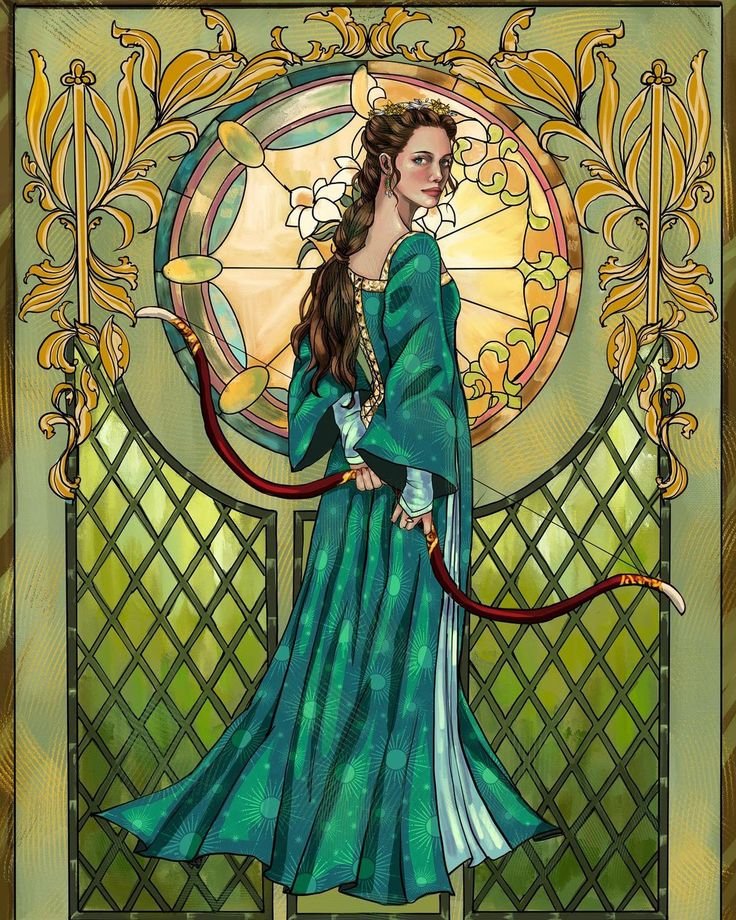
Susan Pevensie. The name itself conjures images of an archer queen, a responsible older sister, and a figure whose journey through Narnia is as celebrated as it is debated. Her character, a cornerstone of C.S. Lewis's beloved series, has taken on various forms across the silver screen and television, giving rise to diverse interpretations that fuel endless discussion among fans. Understanding Susan Pevensie in Narnia adaptations isn't just about watching a movie; it's about dissecting how different creative teams have brought to life a character who embodies both grace and pragmatism, courage and eventual skepticism.
For many, Susan is the heart of the Pevensie children, the gentle queen who wields a bow with skill and offers wisdom. Yet, her story is also one of complex growth and, for some, tragic departure from the magic of Narnia. This guide will take you on a deep dive into how Susan has been envisioned, performed, and presented across the most significant Narnia adaptations, highlighting the iconic actresses who dared to embody her spirit.
At a Glance: Susan Pevensie in Adaptations
- Core Role: The second eldest Pevensie child, known as Queen Susan the Gentle and Queen Susan of the Horn.
- Key Traits: Responsible, protective, pragmatic, skilled archer, compassionate.
- Central Arc: From a cautious child to a wise queen, then eventually to a young woman who, in the books, grows out of her belief in Narnia.
- Major Adaptations:
- The Lion, the Witch and the Wardrobe (1979 Animated)
- BBC's The Lion, the Witch and the Wardrobe (1988) and Prince Caspian and the Voyage of the Dawn Treader (1989)
- Walden Media's The Lion, the Witch and the Wardrobe (2005) and Prince Caspian (2008)
- Iconic Portrayers: Susan Sokol (voice), Sophie Cook, Sophie Winkleman, and Anna Popplewell.
- Enduring Legacy: A character who sparks debate about faith, growing up, and the nature of magic, inspiring strong feelings in audiences.
The Foundation: Who Is Susan Pevensie in Narnia's Heart?
Before we delve into her on-screen lives, it's crucial to understand the essence of Susan Pevensie as C.S. Lewis crafted her. Born in 1928, Susan is a Daughter of Eve, the second oldest of the Pevensie siblings. She appears prominently in The Lion, the Witch and the Wardrobe, Prince Caspian, and The Horse and His Boy (though in the latter, as an adult queen, she isn't a central figure). From the moment she steps into Narnia, Susan often serves as the voice of caution and practicality, a counterbalance to Lucy's unwavering faith and Peter's burgeoning leadership.
She's bestowed with a magical horn, given to her by Father Christmas, which can summon aid, and a quiver of arrows that "will not miss." These gifts are symbolic of her role: a gentle protector, an astute observer, and ultimately, a formidable warrior queen. In Narnia, she becomes Queen Susan the Gentle, renowned for her beauty, her wisdom in counsel, and her skill with a bow. Her alignment, as narniafans.com notes, is unequivocally "Good," and her reign alongside her siblings ushers in Narnia's Golden Age.
Her journey is one of growth, from a hesitant schoolgirl to a regal sovereign. Yet, it's her eventual detachment from Narnia in the later books—her "growing up" and dismissing Narnia as childish make-believe—that cements her as one of Lewis's most complex and, for many, heartbreaking characters. This narrative thread, though primarily explored in The Last Battle (a book she doesn't appear in films for), heavily influences how her character is perceived and, consequently, how she's adapted in earlier stories. Her story is a poignant exploration of how we interact with the fantastic as we age, a theme ripe for nuanced interpretation on screen. If you're looking for an even deeper dive into her character's motivations and literary significance, you can Learn more about Susan Narnia.
Bringing Susan to Life: A Cinematic and Television Journey
Translating a beloved literary character like Susan Pevensie from page to screen is no small feat. Each adaptation faces the challenge of capturing her multifaceted personality—her cautious nature, her queenly grace, her warrior spirit, and the undercurrent of her eventual detachment. Let's explore how different productions have tackled this intricate portrayal.
The Animated Pioneer: The Lion, the Witch and the Wardrobe (1979)
The first significant adaptation to bring the Narnia stories to a wide audience was the animated television film produced by the Children's Television Workshop and the Episcopal Radio-TV Foundation. This version, while visually distinct, laid some of the groundwork for future portrayals of Susan.
Portrayed by Susan Sokol (voice), this Susan was a faithful interpretation of Lewis's original. Sokol's voice acting imbued Susan with a sense of responsibility and a slightly hesitant wisdom. The animation style, while dated by today's standards, effectively conveyed her initial trepidation and eventual resolve. She was clearly depicted as the concerned older sister, often trying to bring logic to fantastical situations, even as she ultimately embraced the magic. This adaptation highlighted her protective instincts, particularly towards Lucy, and her growing confidence as she learned to wield her bow. While it didn't delve into the deeper nuances of her eventual skepticism, it established her core persona for a generation of viewers.
The BBC's Enduring Vision: The Lion, the Witch and the Wardrobe (1988) and Prince Caspian and the Voyage of the Dawn Treader (1989)
The late 1980s saw the BBC bring Narnia to life with a series of live-action adaptations that became iconic for many British and international viewers. These productions were known for their practical effects, faithfulness to the source material, and often a slightly darker, more earnest tone.
Sophie Cook took on the role of young Susan in The Lion, the Witch and the Wardrobe (1988). Cook's portrayal emphasized Susan's sensible, almost maternal side. You saw her trying to keep her siblings grounded, always the one asking practical questions, yet never truly cynical. Her transformation into Queen Susan was subtle but impactful, showcasing her growth in confidence and regal bearing. Her archery skills were shown as precise and effective, underscoring her role as a warrior queen.
Later, in Prince Caspian and the Voyage of the Dawn Treader (1989), Sophie Winkleman stepped into the role of the older, more mature Queen Susan. Although her appearance in this segment was brief (as the Pevensies return to Narnia to help Caspian), Winkleman brought an air of serene wisdom and queenly grace. Her performance solidified Susan's image as "Queen Susan the Gentle," a figure of authority and compassion, albeit one who was clearly moving on from Narnia's magic as she aged, a subtle nod to her eventual fate. The BBC adaptations, through both actresses, managed to convey Susan's journey from a somewhat reluctant adventurer to a respected monarch, subtly hinting at the complexities of her future path without explicitly dwelling on The Last Battle's revelations.
Walden Media's Grand Scale: The Lion, the Witch and the Wardrobe (2005) and Prince Caspian (2008)
For a new generation, Walden Media's cinematic adaptations, distributed by Disney (and later Fox), became the definitive visual representation of Narnia. These films boasted larger budgets, stunning visual effects, and a more action-oriented approach, bringing the magic to a global blockbuster audience.
Anna Popplewell delivered perhaps the most widely recognized and iconic portrayal of Susan Pevensie. In The Lion, the Witch and the Wardrobe (2005), Popplewell masterfully captured Susan's initial fear and skepticism, her practical nature shining through as she questioned the existence of Narnia even after seeing it. Her journey was visibly compelling: from a hesitant girl who preferred to avoid danger, to a skilled archer who defended her siblings, and finally, to a regal queen. Popplewell conveyed Susan's protective instincts, her slight air of superiority, and her deep love for her family with remarkable nuance. Her archery scenes were particularly impactful, showcasing Susan as a capable and formidable warrior.
In Prince Caspian (2008), Popplewell's performance deepened. Here, Susan is older, more mature, and noticeably more integrated into the mundane world. Popplewell perfectly navigated the subtle shift in Susan's character—her longing for her old life and her emerging interest in the Telmarine Prince Caspian. This adaptation heavily leaned into her role as an archer, with several pivotal action sequences featuring her skills. More importantly, Popplewell conveyed Susan's growing detachment from Narnia's magic. You could feel her internal conflict: the pull of Narnia versus the allure of her "real" life and growing up. The emotional weight of her leaving Narnia at the end of Prince Caspian, knowing she wouldn't return, was palpable and heartbreaking, making her arc one of the most poignant in the series. Popplewell’s Susan is often cited as a benchmark for how the character should be depicted, balancing strength, vulnerability, and the undeniable ache of leaving childhood behind.
The Iconic Portrayers: Faces Behind Queen Susan
Each actress who has brought Susan Pevensie to life has left her unique mark, shaping the audience's perception of the character. Their interpretations highlight different facets of Susan, showcasing the depth and versatility inherent in Lewis's original creation.
Susan Sokol: The Voice of Early Narnia
As the voice actress for the 1979 animated film, Susan Sokol had the challenging task of conveying character through sound alone. Her performance as Susan was grounded and rational, embodying the elder sister's responsibility. She successfully gave voice to Susan's gradual acceptance of Narnia, her initial doubts slowly giving way to courage and queenly authority. Sokol's Susan was articulate and composed, reflecting the character's intellectual and pragmatic side, even in the face of talking animals and mythical creatures. Her portrayal set a clear, steady tone for Susan, establishing her as the pragmatic anchor of the Pevensie siblings in their animated adventure.
Sophie Cook: BBC's Young Queen
Sophie Cook's performance in the 1988 BBC adaptation of The Lion, the Witch and the Wardrobe captured the innocence and burgeoning maturity of young Susan. Her Susan was earnest and deeply caring, particularly towards Lucy. Cook effectively conveyed the weight of responsibility that fell upon Susan's shoulders, even as a child queen. You could see her internal processing of the magical world around her, trying to make sense of it through a logical lens, yet ultimately embracing her destiny. Her interactions with her siblings felt authentic, showing her as both a protective older sister and a participant in their shared wonder and peril.
Sophie Winkleman: A Glimpse of Regal Majesty
In the BBC's Prince Caspian and the Voyage of the Dawn Treader, Sophie Winkleman presented an older, more established Queen Susan. Though her screen time was limited, Winkleman exuded a quiet dignity and grace fitting for a revered monarch. Her Susan was composed and wise, reflecting years of Narnian rule. This portrayal offered a brief but memorable look at the "Gentle" aspect of Queen Susan, showing her as a figure of serene authority who had fully come into her own as a ruler, even as she recognized the need to move on from Narnia. Winkleman's performance served as a poignant farewell to the Narnian Susan for BBC viewers.
Anna Popplewell: The Modern Icon
Anna Popplewell's portrayal in the Walden Media films is arguably the most widely recognized and deeply explored. Popplewell brought an incredible range to Susan, making her relatable and profoundly human.
- Initial Skepticism: In The Lion, the Witch and the Wardrobe, Popplewell vividly portrayed Susan's initial reluctance and skepticism. Her raised eyebrows and sighing expressions conveyed Susan's almost exasperated practicality in the face of talking lions and fauns. This made her eventual acceptance and transformation into a warrior queen all the more powerful.
- Warrior and Protector: Popplewell shone in the action sequences, making Susan's archery skill feel authentic and impactful. She conveyed Susan's protective instincts towards Lucy and Edmund, often acting as a bridge between the younger siblings and Peter's leadership.
- Emotional Depth and Conflict: In Prince Caspian, Popplewell deepened the character, showing Susan grappling with the allure of her old life versus her duties in Narnia. Her budding romance with Prince Caspian added a layer of emotional complexity, highlighting her journey into adolescence and young adulthood. Her performance brilliantly showcased the internal conflict of a character pulled between two worlds, making her eventual departure from Narnia deeply moving. Fans often praise Popplewell for her ability to convey Susan's strength without sacrificing her vulnerability, crafting a Susan who was both admirable and relatable in her struggles. Her interpretation cemented Susan's legacy as a character who embodies both heroic action and the poignant reality of growing up and moving on.
Susan's Arc: From Archer Queen to Skeptic – How Adaptations Handle the Controversy
Susan Pevensie's character arc is one of the most discussed and, for some, most frustrating aspects of the Narnia series. She starts as a cautious but brave sister, becomes Queen Susan the Gentle, a skilled archer and wise ruler, but ultimately, in Lewis's final book, The Last Battle, she is no longer a friend of Narnia, having grown out of her belief in its magic, dismissing it as childish games. While The Last Battle itself hasn't been adapted into a major film, this controversial aspect of her character heavily influences how earlier adaptations portray her and hint at her future.
The "Unbelieving" Susan: A Challenge for Adaptations
The core challenge for filmmakers is how to subtly (or not so subtly) foreshadow Susan's eventual unbelief without alienating audiences or making her unlikable. Lewis intended her departure from Narnia's magic to represent a rejection of faith and wonder in favor of superficial adult concerns (nylons, lipstick, invitations). Modern adaptations often tread carefully, offering more nuanced reasons for her growing detachment.
- The Animated (1979) and BBC (1988/89) Adaptations: These versions, largely focused on The Lion, the Witch and the Wardrobe and Prince Caspian, didn't explicitly dwell on her future skepticism. They focused more on her transformation into Queen Susan. The BBC's Prince Caspian showed a more mature Susan, but her leaving Narnia was more about her being "too old" to return, a natural progression rather than a rejection of belief. Her character was presented as evolving out of Narnia's embrace, rather than actively denying it.
- Walden Media's Prince Caspian (2008): This film took the most direct approach to depicting Susan's growing distance from Narnia. Anna Popplewell's portrayal in Prince Caspian clearly shows Susan grappling with the reality of her ordinary life back in England. She misses her home, she's interested in boys (like Caspian), and she increasingly questions the fantastical elements of Narnia. Her reluctance to return, her occasional complaints, and her emotional farewell are all amplified. The film frames her inability to return as a natural part of growing up, suggesting that she's chosen a different path in life, which aligns with Lewis's theme of spiritual maturity and belief, without condemning her outright. Her line about not needing magic when she has Prince Caspian, while controversial for some purists, effectively underscores her shift in priorities and marks her transition away from Narnia. This adaptation turned her departure into a poignant coming-of-age moment, rather than an outright moral failing, making her character more sympathetic.
The Warrior and the Gentle: Balancing Her Skills
Another aspect of Susan's arc is the balance between her identity as "Queen Susan the Gentle" and her prowess as an archer and warrior.
- Early Adaptations: Often focused on her gentle, responsible nature, showcasing her archery as a practical skill used when necessary. The BBC films, with their more modest action sequences, presented her as competent but not overly aggressive.
- Walden Media Films: With larger budgets and a modern audience expectation for action, these films significantly amplified Susan's role as an archer. Anna Popplewell's Susan was depicted as a formidable and graceful warrior, participating actively in battles. This emphasized her strength and courage, making her a more dynamic figure. However, this also created a slight tension with her "gentle" moniker and her eventual turning away from the magical world. The stark contrast between her fierce warrior persona and her growing desire for a normal life made her arc in Prince Caspian even more impactful.
Ultimately, each adaptation has made creative choices in how to portray Susan's complex journey. The overarching theme is her growth from a hesitant child to a capable leader, and then her struggle with the reality of leaving Narnia behind. The challenge is always to honor Lewis's intentions while creating a character that resonates with a modern audience.
Comparing Susans: Nuances Across Adaptations
While all adaptations aim to capture the essence of C.S. Lewis's Susan Pevensie, the subtle differences in portrayal offer fascinating insights into the interpretive choices made by filmmakers and actors. These nuances contribute to the diverse reception of Susan among Narnia fans.
| Feature / Adaptation | 1979 Animated (Susan Sokol) | BBC (Sophie Cook / Sophie Winkleman) | Walden Media (Anna Popplewell) |
|---|---|---|---|
| Initial Skepticism | Present, but more as practical caution; quickly overcome. | Gently expressed as concern; accepts Narnia relatively smoothly. | Most prominent; a key character trait, leading to internal conflict. |
| Warrior Prowess | Competent, focused on defense and accuracy. | Functional, practical archery; less emphasis on dynamic action. | Highly emphasized; dynamic, graceful, and pivotal in battle scenes. |
| "Gentle" Aspect | Evident in her protective nature and calm demeanor. | Strong emphasis on her maternal instincts, wisdom, and compassionate leadership. | Balanced with her warrior side; shows empathy and quiet strength. |
| Maturation/Coming of Age | Subtle; transformation into queen is direct. | Gradual and natural progression from child to young adult queen. | Deeply explored; central to her arc in Prince Caspian, with emotional weight. |
| Hint of Unbelief | Not significantly addressed. | Subtle implication of "growing out of" Narnia, less about disbelief. | Clearly foreshadowed; her detachment is a major theme in Prince Caspian. |
| Overall Tone | Child-friendly, straightforward. | Earnest, traditional, a bit melancholic. | Epic, cinematic, emotionally charged, action-oriented. |
| As you can see, the animated and BBC versions tended to present a more straightforward progression for Susan, focusing on her positive qualities and royal ascent. The Walden Media films, leveraging greater cinematic scope and modern storytelling techniques, dug deeper into her internal struggles, particularly her pragmatic nature and her eventual departure from Narnia's enchantment. Anna Popplewell's performance, in particular, created a Susan who was not just a symbol of grace and archery, but also a relatable young woman wrestling with the inevitable challenges of growing up and choosing paths, a complexity that resonated deeply with many viewers. |
Behind the Scenes: Challenges and Creative Choices in Portraying Susan
Bringing Susan Pevensie to the screen involved more than just casting the right actress; it required significant creative decisions regarding her character's emphasis, visual representation, and thematic role. Filmmakers faced several unique challenges.
Balancing Fidelity to Lewis with Modern Audience Expectations
C.S. Lewis's portrayal of Susan, particularly her eventual fate, can be jarring for modern audiences who prefer characters to maintain their connection to magic or spiritual wonder. Filmmakers had to decide how much to lean into Lewis's more didactic themes versus creating a more universally sympathetic character.
- The "Growing Up" Dilemma: In the Walden Media films, the creative team opted to interpret Susan's eventual detachment as a natural part of growing up, coupled with the allure of a first romance. This was a deliberate choice to make her character more relatable to contemporary viewers who might empathize with the struggles of adolescence and choosing between different worlds. It softened the blow of Lewis's original, more critical depiction of her "unbelief."
- Action vs. Gentleness: Adapting Susan's role as an archer queen meant a careful balance. While Lewis mentions her archery, the scale of battles in modern films required her to be a more active participant. Filmmakers ensured that her combat scenes were graceful and effective, aligning with her "gentle" moniker rather than turning her into a purely aggressive warrior. This often involved extensive training for the actresses, particularly Anna Popplewell, to make her archery look convincing and elegant.
Visualizing Her Gifts and Regal Bearing
Susan's magical horn and bow are central to her identity. The adaptations had to make these elements visually compelling and functional within the story.
- The Horn of Queen Susan: Its design and the magical effect of its call needed to be consistent and impactful. The sound design, especially in the Walden Media films, gave the horn a distinct, ethereal quality that immediately conveyed its power to summon aid.
- The Bow and Arrows: Susan's archery became a visual signature. Costume designers had to create outfits that allowed for fluid movement, while prop masters crafted bows and quivers that looked both ancient and effective. The precision of her shots in battle sequences reinforced her unique skill and vital role.
Capturing the Sisterly Dynamics
Susan's relationship with her siblings, especially Lucy and Peter, is crucial. Her role as the responsible older sister, sometimes a bit bossy or overly cautious, provides key emotional anchors.
- With Lucy: Her protective instincts towards Lucy are paramount. Adaptations often show Susan initially doubting Lucy about Narnia, highlighting her pragmatic side, but then becoming her fiercest defender.
- With Peter: Her interactions with Peter often showcase a sibling rivalry tempered by mutual respect and reliance. She acts as his conscience or a voice of reason, particularly in moments of impulsiveness.
- With Edmund: Her relationship with Edmund, especially after his betrayal, highlights her capacity for forgiveness and her concern for his well-being.
The chemistry between the actors playing the Pevensie siblings was therefore critical to the success of these adaptations. Casting directors carefully selected actors who could believably portray these complex family dynamics, allowing Susan's specific role within the family unit to shine through. The subtle glances, shared smiles, and moments of tension all contributed to a richer portrayal of Susan's character and her emotional journey.
Common Questions and Misconceptions About Susan Pevensie in Adaptations
Susan Pevensie's character often sparks lively debate, particularly concerning her eventual fate in Lewis's books. Adaptations, while not reaching The Last Battle, still influence audience perception and raise questions. Here are some common inquiries and clarifications:
"Why isn't Susan in The Last Battle (and subsequent film adaptations)?"
This is the most frequent question related to Susan. In C.S. Lewis's final Narnia book, Susan is the only Pevensie sibling not to return to Narnia (and the 'real' Narnia beyond) because she has, by that point, grown out of her belief in the magical world. She dismisses Narnia as childish games, preferring "nylons and lipstick and invitations."
While The Last Battle has not been adapted into a film, the Walden Media Prince Caspian actively foreshadows this. Her emotional departure from Narnia, with Aslan telling her she won't return, and her increasing focus on her mundane life and budding romance, are direct nods to her literary fate. The misconception is often that she is "punished" for growing up; Lewis's intent was more about illustrating a spiritual journey, where some people choose to leave wonder and faith behind.
"Did Susan truly lose faith, or just grow up?"
This is a nuanced point of interpretation. Lewis's original text suggests a loss of faith or wonder, portraying it somewhat negatively. However, in the film adaptations, particularly Walden Media's Prince Caspian, her choice is often presented more sympathetically as a natural part of maturing. She's not portrayed as actively disbelieving, but rather as prioritizing her "real world" life and developing adult interests.
Anna Popplewell's Susan, for instance, seems genuinely torn, and her departure is depicted with a sense of loss, not condemnation. The films allow for the interpretation that she simply outgrows Narnia, a different take from the "loss of faith" implication.
"How do the films handle her 'gentle' versus 'warrior' aspects?"
All adaptations acknowledge Susan's title as "Queen Susan the Gentle" and her skill with a bow. However, the balance shifts between productions.
- Earlier adaptations (animated, BBC): Emphasized her gentle, wise, and protective nature, with her archery being a functional, defensive skill.
- Walden Media films: Significantly elevated her warrior aspect. Anna Popplewell's Susan is a prominent and graceful archer in battle, making her a more active and dynamic combatant. While still possessing her gentle and empathetic qualities, her prowess in combat is more front and center. This created a compelling dual identity, showing her capacity for both peace and fierce protection.
"Is Susan's character a feminist icon or an anti-feminist example?"
This is a modern debate, often projected onto Lewis's work.
- Feminist Icon Argument: Proponents point to her skill as an archer, her wisdom as a queen, and her protective nature. She's independent, capable, and plays a crucial role in Narnia's governance and defense.
- Anti-Feminist Argument: Critics often focus on her rejection of Narnia for "girly" interests like nylons and parties, viewing it as a dismissal of female agency and wisdom.
The adaptations, particularly the Walden Media films, tend to emphasize her strengths and agency, making her a more active and admirable figure. By portraying her "growing up" as a relatable choice rather than a moral failing, they lean towards a more empowering interpretation of Susan, allowing her complex journey to resonate without necessarily fitting neatly into modern labels. Her character, regardless, continues to spark important conversations about what it means to be a strong female character.
The Enduring Legacy of Queen Susan the Gentle
Susan Pevensie's journey through Narnia, and her subsequent portrayals in adaptations, ensures her place as one of fantasy literature's most enduring and debated characters. She is more than just an archer queen; she's a mirror reflecting the complexities of growing up, the choices we make, and how we navigate the magic—or lack thereof—in our own lives.
Her character challenges us to consider: What do we leave behind as we mature? Do we sacrifice wonder for practicality, or can the two coexist? The varied interpretations by actresses like Susan Sokol, Sophie Cook, Sophie Winkleman, and Anna Popplewell have only deepened these questions, allowing audiences to connect with different facets of her personality. From the animated pioneer to the blockbuster films, each Susan offers a unique lens through which to view her growth, her courage, and her poignant departure from a world she once ruled.
The discussions she sparks among fans—about her strength, her flaws, her ultimate fate—are a testament to the power of C.S. Lewis's original creation and the talent of those who brought her to life on screen. She remains a character who reminds us that even in worlds of magic and wonder, the most profound journeys are often those of the human heart.
What Next? Re-engage with Susan's Story
If you're now inspired to revisit Susan's journey, consider these steps:
- Re-watch the Adaptations: Go back and watch The Lion, the Witch and the Wardrobe (1979 animated, 1988 BBC, 2005 Walden Media) and Prince Caspian (1989 BBC, 2008 Walden Media) with fresh eyes. Pay close attention to the nuanced performances of each actress and how their choices shape Susan's character.
- Compare and Contrast: Discuss with fellow Narnia fans which portrayal you find most compelling and why. What aspects of Susan's character do you think each adaptation captured best?
- Reflect on Her Arc: Consider how Susan's journey resonates with your own experiences of growing up and navigating belief, skepticism, and the practicalities of life.
Susan Pevensie isn't just a character in a story; she's a touchstone for conversations about childhood, responsibility, and the ever-present tension between the mundane and the magical. Her legacy, faithfully carried forward by her iconic portrayers, continues to enrich the enchanting world of Narnia.